Dog 3D Cracked Hole Tumbler Wrap 1: A Practical Guide to Sublimation Workflow Integration
In the competitive landscape of custom merchandise, the difference between a standard product and a bestseller often lies in the visual impact of the design. The Dog 3D Cracked Hole Tumbler Wrap 1 represents a specific niche within the sublimation market, combining the rustic charm of farm animals with modern 3D optical illusions. For creators, small business owners, and hobbyists, integrating this asset into a production workflow requires more than just printing an image. It demands an understanding of digital file management, printer compatibility, and the physical constraints of the substrate.
This article explores how to effectively utilize this digital download within a broader creative and business process. We will examine the technical specifications, preparation steps, and strategic implementation of the design to ensure high-quality outcomes and efficient production cycles.
Understanding the Asset and Its Role in Production
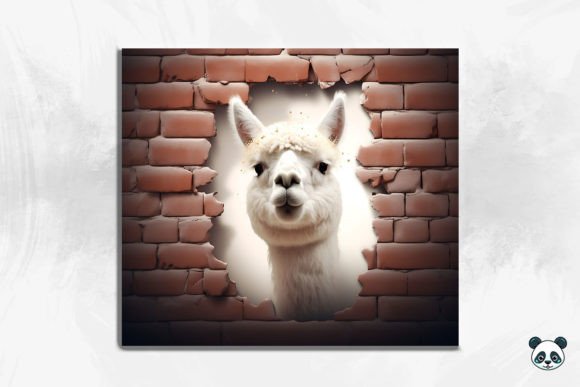
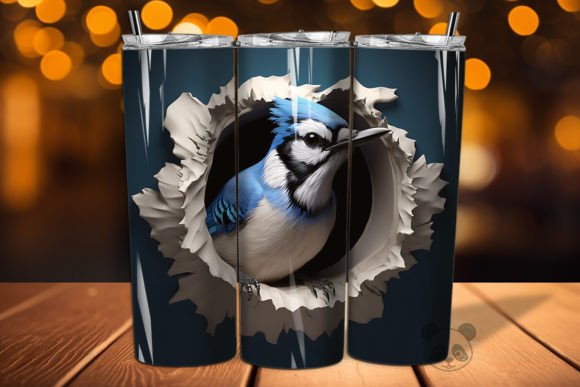
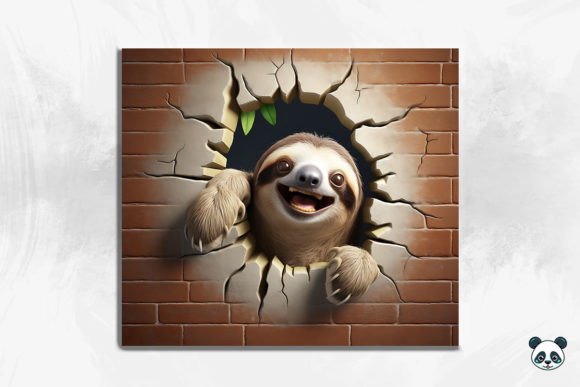
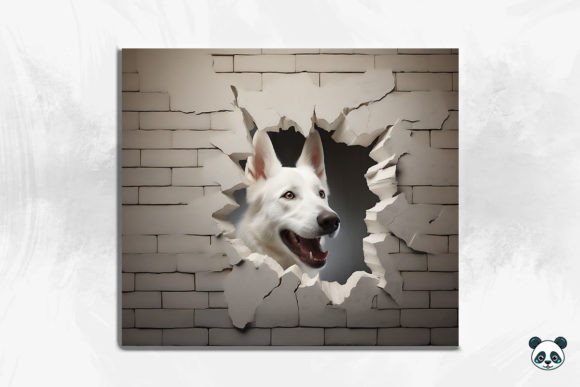
The Dog 3D Cracked Hole Tumbler Wrap 1 is not merely a decorative image; it is a functional template designed for specific hardware. As an instant digital download, it serves as the foundational layer of your product creation pipeline. The design features a 3D cracked hole effect, creating depth and intrigue, populated by watercolor-style farm animals. This combination appeals to a demographic that appreciates both modern graphic trends and traditional rural aesthetics.
When planning your inventory or project queue, recognize that this asset fits into the "pre-press" phase of your workflow. It is a raw material that requires transformation. Unlike physical goods that can be stored on shelves, digital assets like this PNG file require organized storage and quick retrieval systems. Effective integration begins with how you categorize and access the file before the printer even warms up.
Technical Specifications and File Preparation
Before initiating any print job, verifying the technical integrity of the file is crucial. The Dog 3D Cracked Hole Tumbler Wrap 1 comes as a high-resolution PNG file, measuring approximately 9.3 inches by 8.2 inches at 300 DPI. These dimensions are calibrated for the standard 20 oz skinny tumbler, a popular item in the promotional and gift markets.
- Resolution: 300 DPI ensures crisp edges and vibrant color reproduction, essential for maintaining the illusion of the 3D crack.
- Format: PNG supports transparency and lossless compression, preserving the detailed watercolor textures of the farm animals.
- Dimensions: The 9.3 x 8.2 inch size accounts for the circumference and height of the tumbler, including necessary overlap for seamless wrapping.
Preparation involves more than checking file properties. You must ensure your design software—whether Adobe Photoshop, Illustrator, or free alternatives like GIMP or Canva—is configured to handle high-DPI images without downscaling. Import the file into your workspace and verify that the color profile matches your printer’s requirements, typically sRGB for most sublimation workflows, though some professional setups may require CMYK conversion depending on the driver settings.
Integrating the Design into Your Sublimation Workflow
Successful sublimation is a chain of dependent tasks. The Dog 3D Cracked Hole Tumbler Wrap 1 interacts with several tools and decisions throughout this chain. Understanding these interactions helps prevent common errors such as color shifting, misalignment, or ghosting.
Printer and Paper Selection
The quality of the final product is heavily influenced by the sublimation paper used. High-quality, quick-drying sublimation paper minimizes ink bleed and ensures sharp transfer. When printing the Farm Animals 3D seamless pattern, ensure your printer nozzles are clean. Clogged nozzles can break the continuity of the 3D crack effect, ruining the optical illusion. Perform a test print on regular paper to check alignment and color saturation before committing expensive sublimation sheets.
Tumbler Preparation and Wrapping
The physical application of the wrap is where precision matters most. The 20 oz skinny tumbler surface must be immaculate. Any dust, oil, or debris will create voids in the transfer. Use lint-free cloths and isopropyl alcohol to clean the tumbler thoroughly. When applying the printed Farm Animals tumbler wrap, align the seam carefully. The 3D design relies on continuity; if the seam is misaligned, the cracked hole effect will appear disjointed, breaking the visual immersion.
Use heat-resistant tape to secure the paper tightly against the tumbler. Avoid stretching the paper, as this can distort the 3D Farm Animals graphics. Ensure there are no air bubbles or wrinkles, as these will result in white spots or blurred areas in the final design.
Heat Press Settings and Timing
Each tumbler press has unique thermal characteristics. While general guidelines suggest temperatures around 360-400°F for 50-60 seconds, you must calibrate based on your specific equipment. The Dog 3D Cracked Hole Tumbler Wrap 1 contains detailed watercolor elements that can be sensitive to overheating. Excessive heat may cause the colors to burn or shift, while insufficient heat results in faint, washed-out images.
Conduct test runs with generic designs to establish your baseline settings. Once optimized, apply these settings consistently to the farm animal wraps. Document your time, temperature, and pressure settings in a logbook. This data becomes invaluable for troubleshooting and maintaining consistency across batches.
Quality Control and Consistency
Quality control is not a final step but an ongoing process. After pressing, allow the tumbler to cool completely before removing the paper. Peeling the paper while hot can cause ink to smear or stick to the paper instead of the tumbler. Inspect each unit for clarity, color accuracy, and seam alignment. The 3D background should appear deep and realistic, and the farm animals should retain their watercolor softness without pixelation.
Consistency is key for brand reputation. If you are producing multiple units, ensure that each tumbler receives the same treatment. Variations in pressure or time can lead to noticeable differences between products. Standardizing your workflow reduces waste and increases customer satisfaction.
Strategic Use Cases and Market Positioning
Beyond the technical execution, consider how the Dog 3D Cracked Hole Tumbler Wrap 1 fits into your broader business strategy. This design appeals to specific audiences: dog lovers, farm enthusiasts, and those who appreciate novelty 3D effects. Marketing this product effectively requires highlighting these unique selling points.
Use high-quality photographs of the finished tumbler in your listings. Show the 3D effect from different angles to demonstrate the depth of the cracked hole design. Emphasize the durability and vibrancy of the sublimation print. Since this is a digital download, you can also offer customization services, such as adding names or dates, using the Farm Animals png elements as part of a larger composite design.
Long-Term Asset Management
Treating digital downloads as long-term assets involves proper organization. Store the original ZIP file and the extracted PNG in a cloud-based backup system. Label files clearly with version numbers and dates. This practice ensures that you can always access the high-resolution source file, even if local drives fail.
Additionally, keep track of sales performance and customer feedback related to this design. If the Farm Animals skinny tumbler concept resonates well with your audience, consider expanding your library with similar 3D themes or complementary farm animal patterns. Building a cohesive collection allows for cross-promotion and bundle offers, increasing average order value.
Conclusion
The Dog 3D Cracked Hole Tumbler Wrap 1 is a versatile tool for creators looking to add visual depth and thematic charm to their product lines. By understanding its technical requirements and integrating it into a disciplined workflow, you can achieve consistent, high-quality results. From file preparation to heat press calibration, every step contributes to the final outcome. Approach this asset with a mindset of precision and continuous improvement, and it will serve as a reliable component of your creative and commercial success.