Mastering the Butterfly Cracked Hole Tumbler Wrap for Professional Sublimation Workflows
In the competitive landscape of custom drinkware production, the difference between a standard product and a best-seller often lies in the intricacy of the design and the precision of its application. The Butterfly Cracked Hole Tumbler Wrap represents a specific niche within the sublimation market, combining organic watercolor aesthetics with structural 3D illusions. For entrepreneurs, hobbyists, and small business owners, integrating this asset into a production workflow requires more than just printing an image; it demands an understanding of file preparation, material compatibility, and quality control.
This digital asset, typically delivered as a high-resolution PNG (9.3 inches by 8.2 inches at 300 DPI), is designed specifically for 20 oz skinny tumblers. However, its utility extends beyond a single print job. When viewed through the lens of operational efficiency, this wrap serves as a foundational component in a broader creative and manufacturing process. Whether you are fulfilling a bulk order for a corporate event or creating inventory for an Etsy shop, understanding how to leverage this design effectively can streamline your output and enhance the perceived value of your finished goods.
Integrating Digital Assets into the Production Pipeline
The journey of a successful sublimated tumbler begins long before the heat press is engaged. It starts with the acquisition and organization of digital files. Upon purchasing the Butterfly Cracked Hole Tumbler Wrap, the immediate deliverable is a ZIP file containing the primary PNG. For a professional workflow, the first step is proper asset management. Instead of leaving the file in a generic downloads folder, integrate it into a structured library categorized by theme, tumbler size, and style. This organization ensures that when a client requests a "nature-inspired" or "3D effect" design, you can locate and deploy the asset instantly.
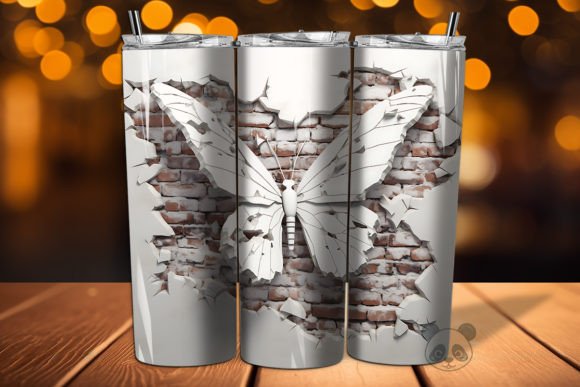
The "Cracked Hole" element of the design introduces a layer of complexity that distinguishes it from flat patterns. This visual effect relies on the interplay between the printed graphic and the physical curvature of the tumbler. In your planning phase, consider how this design interacts with the substrate. Unlike solid color wraps where minor alignment errors might go unnoticed, a design featuring a simulated break or hole requires precise positioning to maintain the illusion of depth. This necessitates a pre-production check where you verify the dimensions against your specific tumbler blanks. While the file is sized for a standard 20 oz skinny tumbler, slight variations in manufacturer specs can occur. Always measure your blank and adjust the scaling in your design software if necessary to ensure the pattern seams align perfectly without stretching the butterfly imagery.
Preparation and Compatibility Checks
Before committing to a full production run, compatibility testing is essential. The Butterfly 3D seamless pattern relies on high contrast and specific color gradients to achieve its three-dimensional look. Not all sublimation papers or printer profiles render these nuances identically. A prudent workflow involves running a test print on your standard sublimation paper using your current ICC profile. Evaluate the output for color vibrancy, particularly in the watercolor sections of the butterfly wings and the shadowing around the "cracked" area.
If the blacks appear gray or the colors look washed out, the 3D effect will be lost, reducing the item to a standard flat print. Adjustments to saturation and contrast in your editing software may be required before the final print. Additionally, consider the color of the tumbler blank itself. This design is optimized for white or light-coated tumblers. Attempting to use this wrap on a dark or colored blank will obscure the watercolor details and ruin the transparency effects inherent in the PNG structure. Ensuring you have the correct inventory of blanks is a critical logistical step that prevents waste and rework.
Execution: From Print to Press
Once the file is prepared and the materials are verified, the execution phase begins. This is where the theoretical planning meets physical reality. When printing the Butterfly Cracked Hole Tumbler Wrap Background, ensure your printer settings are configured for high-quality photo printing to capture the 300 DPI resolution fully. Low-quality prints will pixelate the fine lines of the butterfly wings, detracting from the professional finish.
During the wrapping process, attention to detail is paramount. Because the design features a specific focal point—the cracked hole—alignment is crucial. Use heat-resistant tape to secure the wrap, ensuring the seam does not cut through the main subject of the artwork. If the pattern is seamless, you have some flexibility, but the visual weight of the butterfly should generally be centered or positioned according to the ergonomic grip of the tumbler. For the "cracked hole" illusion to work effectively, the break in the pattern should ideally align with a natural viewing angle or be positioned to look intentional rather than like a printing error.
The pressing parameters (time, temperature, and pressure) should follow the guidelines of your specific tumbler manufacturer, but keep the design's complexity in mind. Intricate designs with fine details sometimes benefit from slightly adjusted pressure to ensure even ink transfer across the entire surface, especially near the edges of the "crack." After pressing, allow the tumbler to cool naturally before removing the paper. Peeling while hot can cause smudging, which would be particularly devastating to the delicate watercolor textures.
Quality Control and Long-Term Utility
Post-production quality control is the final gatekeeper in your workflow. Inspect each unit for ghosting, banding, or misalignment. With a 3D tumbler wrap design, check specifically that the perspective of the crack looks consistent around the cylinder. Any distortion here can break the immersion of the 3D effect. Reject any units that do not meet your standards immediately; selling a flawed product damages your brand reputation faster than any marketing can build it.
Beyond individual orders, consider the long-term utility of this asset. The Butterfly seamless pattern included in the download can be tiled or modified for other applications. While primarily designed for 20 oz skinny tumblers, elements of the design could be adapted for coasters, keychains, or even larger signage, provided you have the rights to modify the file. This versatility increases the return on investment for the digital purchase. By cataloging which designs perform best with your audience, you can make data-driven decisions about future inventory purchases and marketing focuses.
Optimizing for Market Trends and Customer Satisfaction
In the realm of custom merchandise, trends shift rapidly. The combination of nature motifs like butterflies with modern 3D effects taps into a current consumer preference for items that feel tactile and visually engaging. Utilizing the Butterfly Cracked Hole Tumbler Wrap allows creators to offer something distinct from the ubiquitous solid colors and simple text designs. It positions your product as a premium item.
To maximize the impact of this design, pair it with appropriate packaging and presentation. Since the design mimics a structural break, explaining the concept to customers via product descriptions or social media content can enhance their appreciation of the item. Educate your audience on the "illusion" aspect, turning the product feature into a conversation starter. This adds value beyond the physical object, fostering a connection between the creator and the consumer.
Ultimately, the successful implementation of the Butterfly Cracked Hole Tumbler Wrap is about blending artistic vision with disciplined execution. It requires a workflow that respects the technical limitations of sublimation while leveraging the creative potential of high-quality digital art. By focusing on preparation, compatibility, precise execution, and rigorous quality control, you transform a simple digital download into a tangible, high-value product that resonates with your target market. This approach not only ensures the success of a single project but also builds a sustainable framework for future creative endeavors.