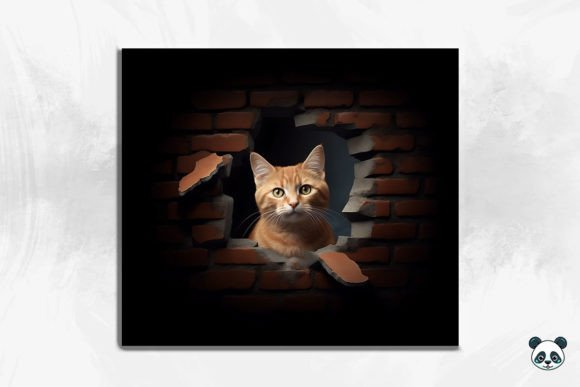
Cat 3D Cracked Hole Tumbler Wrap: Integrating Digital Assets into Sublimation Workflows
In the evolving landscape of custom merchandise production, the efficiency of your digital asset library directly impacts your output quality and turnaround time. For creators, small business owners, and hobbyists engaged in sublimation printing, selecting the right design file is not merely an aesthetic choice but a logistical one. The Cat 3D Cracked Hole Tumbler Wrap represents a specific type of digital resource designed to streamline the production of personalized drinkware. Understanding how this asset fits into a broader creative workflow allows for smoother execution, reduced error rates, and higher consistency in final products.
This article explores the practical implementation of the Cat 3D Cracked Hole Tumbler Wrap within a standard sublimation process. It examines preparation, compatibility, and quality control measures necessary to transform a digital PNG file into a high-quality physical product. By treating digital downloads as integral components of a structured workflow, producers can optimize their operations regardless of scale.
Understanding the Digital Asset Specifications
Before integrating any design into a production pipeline, it is crucial to understand its technical parameters. The Cat 3D Cracked Hole Tumbler Wrap is delivered as an instant digital download, typically contained within a ZIP file. The core component is a single PNG file with dimensions of approximately 9.3 inches by 8.2 inches, rendered at 300 DPI (dots per inch). These specifications are not arbitrary; they are calibrated for the standard 20 oz skinny tumbler, a popular format in the promotional and retail sectors.
The resolution of 300 DPI is the industry standard for high-quality printing. Lower resolutions may result in pixelation or blurriness when transferred to the curved surface of a tumbler. The dimensions ensure that the design covers the printable area without excessive stretching or compression, which can distort the 3D visual effects inherent in the "cracked hole" motif. Recognizing these constraints early in the planning phase prevents costly reprints and material waste.
It is important to note that this item is strictly a digital file. No physical goods are shipped. This distinction requires the user to possess the necessary hardware and software for sublimation printing. The asset serves as a foundational layer in the design process, ready to be applied, modified, or combined with other elements depending on the creator’s specific needs.
Preparation and Pre-Press Workflow
Effective use of the Cat 3D Cracked Hole Tumbler Wrap begins with proper file management and preparation. Upon downloading the ZIP file, users should extract the PNG to a dedicated project folder. Organizing digital assets by theme, size, or product type enhances retrieval speed and reduces clutter in large libraries. For professionals managing multiple client orders, consistent naming conventions and folder structures are essential for maintaining operational efficiency.
Once extracted, the PNG file should be imported into your preferred design software. Common platforms include Adobe Photoshop, Illustrator, CorelDRAW, or free alternatives like GIMP and Inkscape. During this stage, verify the image mode. Sublimation printers typically require RGB color profiles for accurate color representation, although some workflows may involve conversion to CMYK depending on the printer driver and ink set. Checking color fidelity at this stage ensures that the vibrant hues of the farm animal watercolor elements and the depth of the 3D cracked effect translate correctly to the final print.
Another critical step is mirroring the image. Sublimation printing requires the design to be printed in reverse so that it transfers correctly onto the substrate. Most design software includes a simple "flip horizontal" function. Failing to mirror the image is a common error that renders the final product unusable, particularly if the design includes text or directional elements. While the Cat 3D Cracked Hole Tumbler Wrap may primarily feature graphical elements, ensuring correct orientation is a fundamental quality control check.
Integration with Sublimation Materials and Hardware
The interaction between the digital design and physical materials determines the success of the sublimation process. The Cat 3D Cracked Hole Tumbler Wrap is designed for polyester-coated substrates. Standard 20 oz skinny tumblers made for sublimation have a specialized coating that accepts dye under heat and pressure. Using incompatible blanks will result in poor color transfer, fading, or complete failure of the design to adhere.
When preparing the tumbler for wrapping, cleanliness is paramount. Dust, oils, or fingerprints on the surface can create barriers that prevent the ink from bonding evenly. Wiping the tumbler with isopropyl alcohol before application is a best practice that significantly improves outcome consistency. Additionally, using high-quality sublimation paper is recommended. The paper must hold the ink without bleeding and release it efficiently under heat. Cheap or inappropriate paper can lead to ghosting or uneven saturation, diminishing the impact of the 3D visual effects.
The wrapping process itself requires precision. The 9.3 x 8.2 inch dimensions of the PNG are designed to fit the circumference and height of the tumbler. When applying the printed design, align the edges carefully to avoid gaps or overlaps. Secure the paper with heat-resistant tape, ensuring it is tight but not so tight that it wrinkles. Wrinkles in the paper will translate directly to the final product, creating white lines or blurred areas in the design. Some creators use shrink wrap or silicone sleeves to apply even pressure during the heating phase, which can enhance the sharpness of the transfer.
Heat Press Settings and Execution
Transferring the Cat 3D Cracked Hole Tumbler Wrap from paper to tumbler involves precise control of time, temperature, and pressure. While specific settings may vary based on the heat press model and tumbler manufacturer, general guidelines often suggest temperatures around 360–400°F (180–200°C) for 50–60 seconds. However, these are starting points. Creators must conduct test runs to determine the optimal settings for their specific equipment and environment.
Consistency in heat application is vital. Uneven heating can cause color variations across the tumbler surface. Rotating the tumbler during the press cycle, if using a mug press with rotation capabilities, or ensuring uniform contact in a straight press, helps achieve an even transfer. After the cycle completes, allow the tumbler to cool before removing the paper. Peeling the paper while hot can sometimes cause smudging or incomplete transfer, depending on the ink and paper combination used.
Quality Control and Post-Production Considerations
Once the sublimation process is complete, inspect the tumbler for defects. Look for signs of ghosting, color banding, or misalignment. The 3D cracked hole effect should appear deep and realistic, with the farm animal watercolor elements blending seamlessly into the background. Any visible imperfections may indicate issues with previous steps, such as incorrect mirroring, insufficient heat, or poor paper alignment.
For businesses, documenting successful settings and outcomes builds a knowledge base that improves future efficiency. Tracking which batches of tumblers or paper yield the best results allows for better inventory management and supplier selection. Over time, this data-driven approach reduces variability and enhances product reliability.
Additionally, consider the long-term durability of the product. Sublimated designs are generally durable and resistant to fading, but proper care instructions should be provided to end-users. Recommending hand washing over dishwasher use can extend the life of the design, maintaining the vibrancy of the 3D elements and the integrity of the tumbler’s coating.
Expanding the Workflow with Complementary Assets
The Cat 3D Cracked Hole Tumbler Wrap can be part of a larger design strategy. Creators often combine multiple digital assets to create unique variations. For instance, layering additional graphics, text, or logos over the base wrap can customize the product for specific clients or events. Understanding how to manipulate PNG files with transparent backgrounds allows for greater creative flexibility.
Furthermore, exploring related themes such as other farm animals, seamless patterns, or different 3D effects can expand a product line. Consistency in style across a collection helps build brand identity. By mastering the workflow for one design, such as the Cat 3D Cracked Hole Tumbler Wrap, creators can efficiently replicate the process for other assets, scaling their production capabilities without sacrificing quality.
In conclusion, the successful implementation of digital sublimation designs relies on a structured approach to preparation, execution, and quality control. The Cat 3D Cracked Hole Tumbler Wrap is a versatile asset that, when handled with care and technical precision, yields high-quality custom merchandise. By integrating this digital file into a well-defined workflow, creators can enhance their productivity, reduce errors, and deliver superior products to their customers.